2 hr
Organic Wine Tasting & Cellar Tour in Reil
Discover sustainable winemaking in the Mosel Valley with a vineyard walk, cellar visit, and tasting.
Reserve
Hand-picked by our editors — only the best 5 experiences from 47 reviewed.
Verified partners for every tour, free cancellation where available, and instant confirmation on every booking.
2 hr
Discover sustainable winemaking in the Mosel Valley with a vineyard walk, cellar visit, and tasting.
Reserve
2 hr
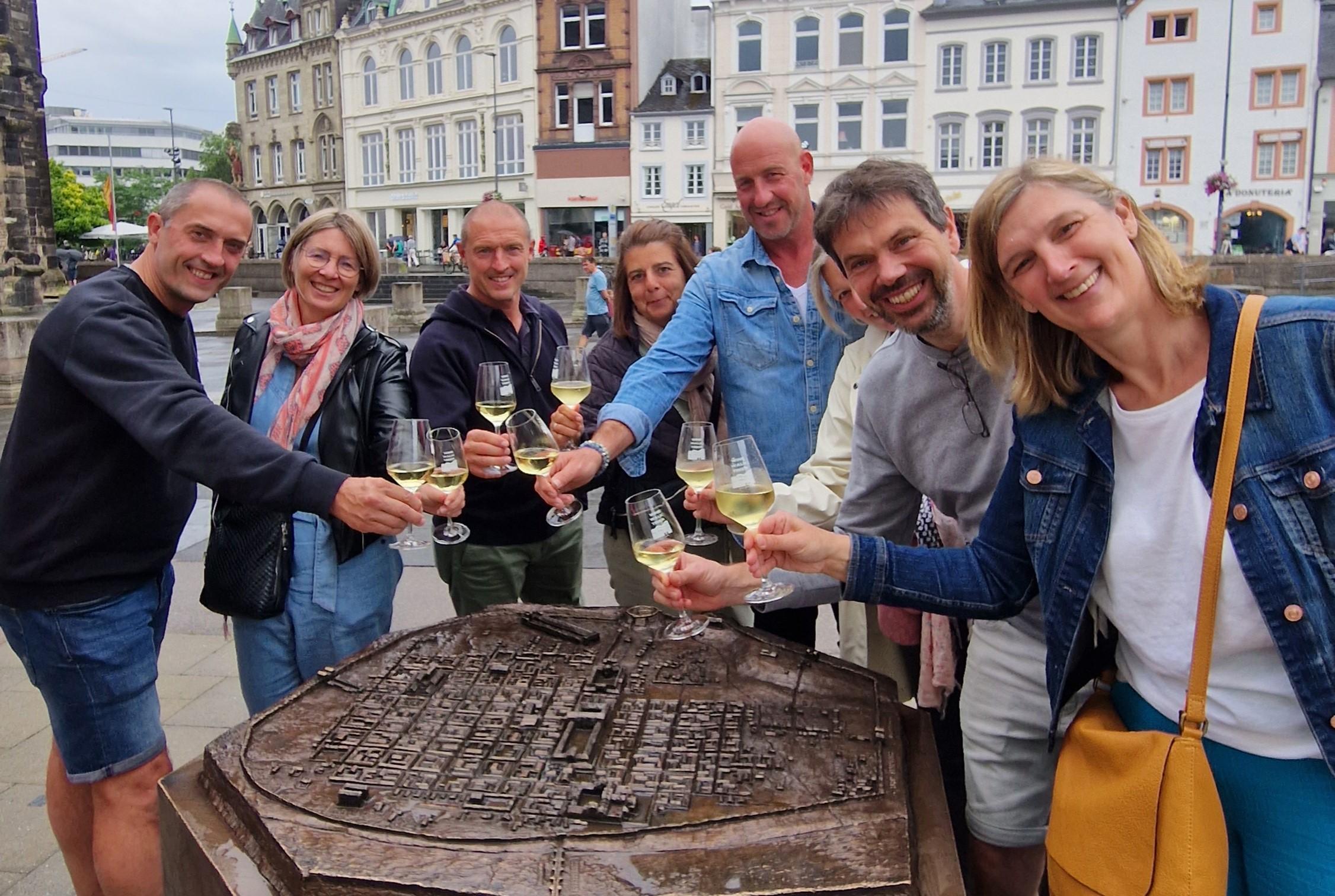
Sample regional wines while exploring Germany's oldest city, from Roman gates to imperial ruins
Reserve
2 hr 30 min
Ride through Kröv's hillside vineyards in a covered wagon, tasting award-winning wines and sparkling varieties with panoramic Moselle views.
ReservePrices from verified partners. Availability updates in real time at checkout. Free cancellation policies apply where shown.
The landmarks, rooms, and views travelers on this tour remember — all visible on a single visit.
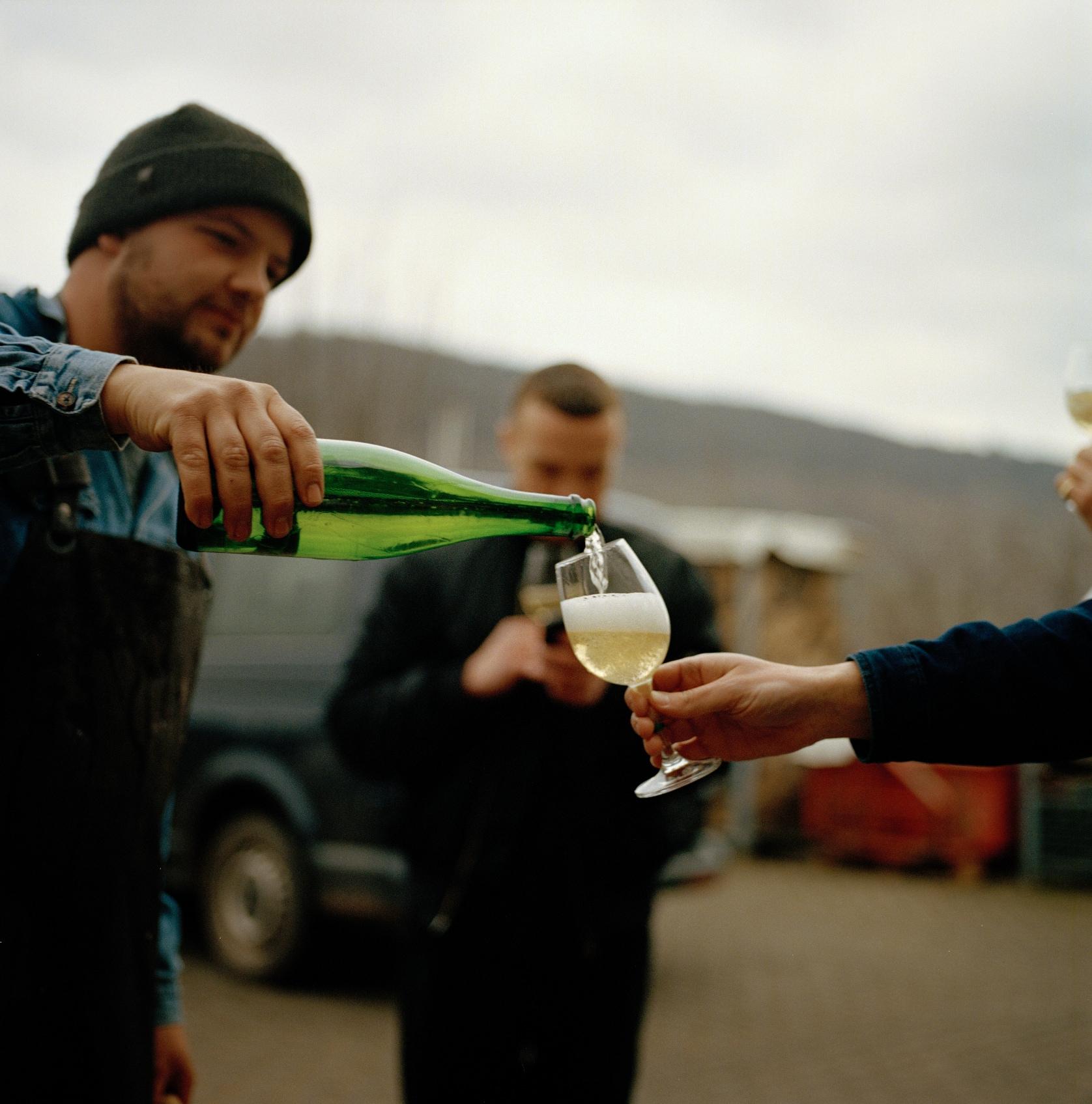
Walk through the certified organic vines of Weingut Arns to learn about biodiversity in steep-slope viticulture.
Observe the traditional-method sparkling wine production and cellar maturation processes.
Discover how the slate soil and river climate specifically influence the Riesling produced in Reil.
Enjoy a curated session sampling four to five distinct organic wines with local bread.
Explore the historic home of the Arns family, active in viticulture since 1639.
The stationary winery visit offers intimate access to the winemaker's craft, whereas these mosel valley wine tasting tours prioritize panoramic vineyard exploration. Most visitors who desire a deep dive into viticulture choose the cellar setting, while those seeking outdoor movement prefer the wagon ride.
| Feature | Top pick Arns Winery (Reil) | Kröv Wagon Tour |
|---|---|---|
Experience Type |
Cellar tasting | Vineyard wagon excursion |
Setting |
Indoor winery | Outdoor steep slopes |
Interaction Level |
Direct with producer | Group movement |
Duration |
1–2 hours | 2–3 hours |
Primary Focus |
Terroir and sensory | Landscape and scenery |
Flexibility |
High custom options | Fixed group schedule |
| See tickets → |
Verdict: Choose the Arns winery for a focused mosel valley wine tasting tour experience, or the wagon tour if you prefer traveling through the vines with mosel valley wine tasting tickets.
Choose your ticket, select your date, and reserve in under two minutes. Secure checkout handled by our verified partner.
Instant confirmation by email, with a mobile voucher you can save offline. No printing, no queuing at a collection desk.
Arrive at the entrance, show your voucher on your phone, and walk in. Most tickets include priority or skip-the-line access.
Practical details for your visit straight from our verified partners — hours, access, rules, and how to get there.
Casual and comfortable clothing is recommended for your Mosel valley wine tasting experience, as tours often involve walking through vineyards and wine cellars.
There are no formal bag checks, but visitors are encouraged to travel with minimal luggage to fully enjoy the winery estate tours.
Photography is generally permitted during your Mosel valley wine tasting visit, provided it does not disrupt the experience of other guests.
The winery facilities in Reil are designed to be wheelchair accessible for guests attending a guided Mosel valley wine tasting tour.
Families are welcome, and children can often join the estate tour; please verify specific age requirements for tasting segments when booking your Mosel valley wine tasting tickets.
Tastings typically include bread and water to complement the organic wines sampled during your Mosel valley wine tasting tour.
Best time to go, insider tips, nearby landmarks, and the cancellation fine print — flip through to skim what matters to you.
Flexible, no hidden fees.
Free cancellation is available until 1 day before the scheduled start time. Entrance to the winery grounds is 0 EUR, while specific tour and tasting prices vary by appointment.
The Mosel carves the steepest vineyard country in Germany, its slate slopes rising at gradients that forbid machinery and demand hand-harvesting on terrain where a single vineyard parcel can span forty terraced levels. Reil sits at the valley's liquid heart, a village of three hundred where the river doubles back on itself and the south-facing Reiler Mullay-Hofberg catches eleven hours of summer sun. The substrate here is pure Devonian slate — blue, fractured, heat-retaining — and it gives the region's Riesling its signature flinty minerality, a taste the Romans documented in the fourth century and that Cistercian monks codified into site-specific classifications a millennium later. Modern mosel valley wine tasting reflects that geologic patience. The valley's 8,800 hectares produce wines that rank among Europe's most age-worthy whites, yet eighty percent of the region's 2,400 growers farm fewer than two hectares, working parcels their families have tended since the Holy Roman Empire. Organic viticulture has grown from twelve certified estates in 2010 to over ninety today, driven by a younger generation that returned to the valley after the 2008 financial crisis and rebuilt the reputation of a region once synonymous with bulk Liebfraumilch. The shift is visible in the cellars: barrel-aged Grosse Lage bottlings now outnumber the sweet export styles that dominated the 1980s, and tasting menus increasingly pair single-vineyard Rieslings with local river fish and forest game. The valley's topography shapes how visitors experience it. Riesling vines climb slopes so precipitous that harvesters wear climbing harnesses; below, the Mosel itself remains navigable from Trier to Koblenz, its fifteen locks lifting pleasure craft and century-old barges past villages that have pressed wine since Charlemagne's reign. A mosel valley wine tasting tour might begin in a half-timbered cellar where fermentation happens in thousand-liter Fuder casks, continue through terraced vineyards accessible only by footpath, and end aboard a river cruiser passing beneath the Reichsburg Cochem, the valley's most photographed fortress. The distance from Reil to Trier is thirty-two kilometers by road, but the river meanders ninety, and the slate that lines its bed leaches into every glass poured along its banks. The valley's wine calendar follows a Burgundian rhythm. Harvest runs from late September through November, depending on altitude and aspect; by December, the new vintage rests in cellar, and tasting rooms shift to older releases and Sekt, the traditional-method sparkling wine that accounts for fifteen percent of the valley's production. Spring brings bud break and the Mosel Wine Week, a month-long sequence of estate open days that draws thirty thousand visitors to cellars normally closed to walk-ins. Summer is vineyard season, when wagon tours and guided walks traverse the slopes between Bernkastel and Traben-Trarbach, the valley's historic trading hubs.
"The substrate here is pure Devonian slate, and it gives the region's Riesling its signature flinty minerality, a taste the Romans documented in the fourth century."
A step-by-step walkthrough of the visit — what you'll see, how long each stage takes, and the details that matter.
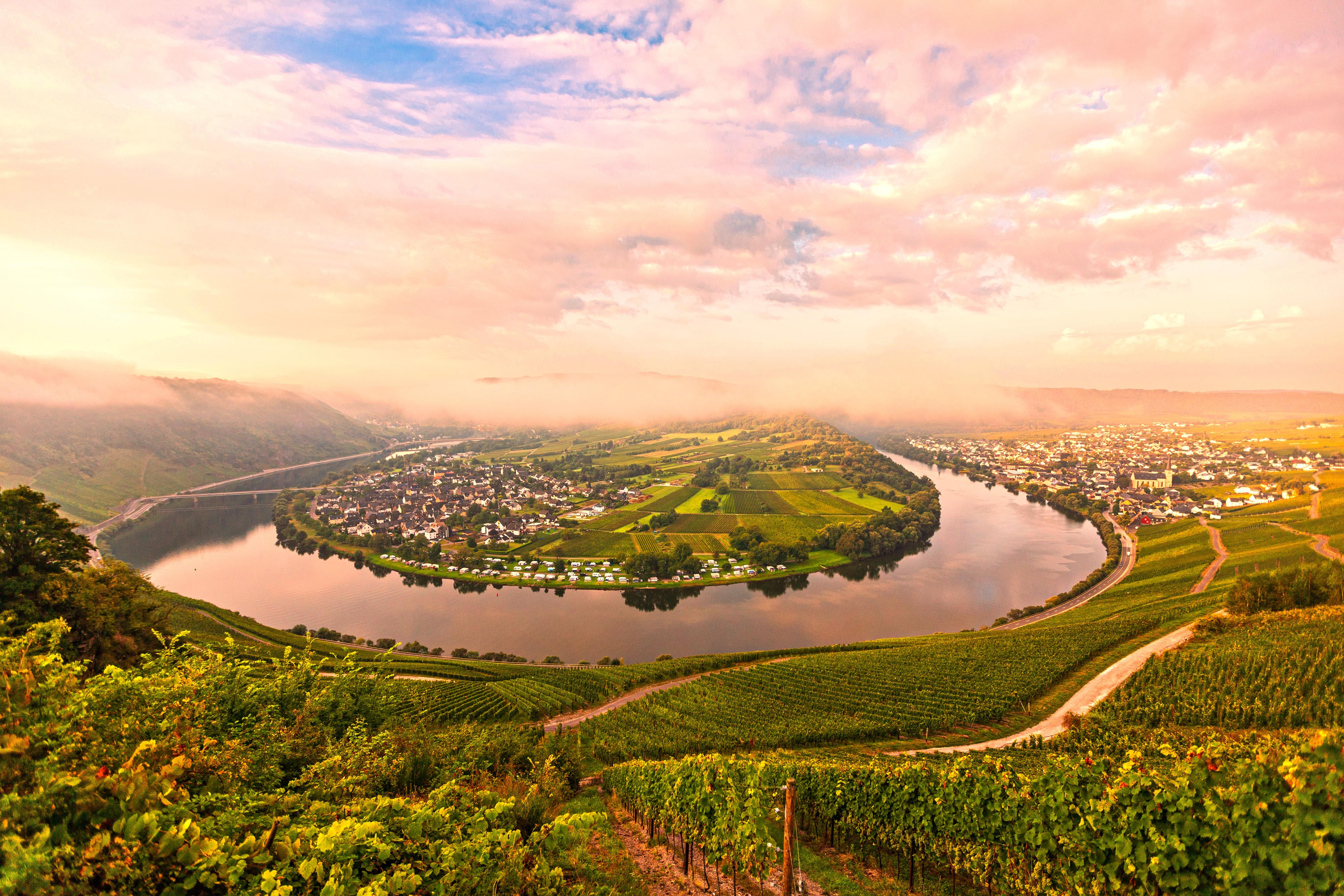
You arrive in Reil mid-morning, when the village's single cobbled lane is quiet and the Arns family winery opens its cellar door at the base of the Mullay-Hofberg slope. The tasting begins in a vaulted stone room where 1,200-liter Fuder casks rest on their sides, each stenciled with the vintage and parcel name. You sample four wines — a dry Kabinett, a Spätlese with residual sugar, an estate Riesling, and a late-harvest Auslese — each poured into a traditional Mosel flute, narrow and stemmed to concentrate aromatics. After the cellar, you walk the vineyard trail that switchbacks up the slope behind the winery, gaining a hundred meters of elevation over twenty minutes. The path is edged with wild thyme and the slate crunches underfoot. At the ridge, the Mosel appears below in a tight horseshoe bend, vineyards terraced on both banks. If you've booked a wagon tour, you ride through the Kröv parcels in a covered cart pulled by draft horses, stopping at a clearing where the guide uncorks a bottle of Winzersekt and lays out bread, cheese, and smoked trout. By early afternoon, you're in Trier or aboard a river cruiser departing Cochem, the valley unfolding at walking pace as the boat negotiates the lock at Fankel and glides past half-timbered villages where vine rows climb straight into low cloud.
Yes, appointments are required for all guided sessions to ensure a personalized experience at the winery.
The winery is open Mon–Fri 08:00–17:00, Sat 08:00–12:00, and Sun 11:00–12:00 plus 13:00–17:00.
Yes, the winery grounds and cellar facilities are accessible for those joining a Mosel valley wine tasting tour.
Families are welcome; the winery offers an authentic experience for all ages interested in a Mosel valley wine tasting.
The winery is located at Kringstraße 36, 56861 Reil; it is easily accessible by regional train to Bullay then local transit or car.
The 0 EUR grounds fee covers entry, while specific wine tastings and tours have prices varying by appointment package.
Yes, you can explore the historic village of Reil or visit the nearby Traben-Trarbach Bridge Gate after your Mosel valley wine tasting tour.
For the best experience, aim to arrive between 08:00 and 16:00 during our daily business hours.
You can receive a full refund by cancelling your Mosel valley wine tasting tickets at least 1 day prior to the start.